A Cartography of Loneliness
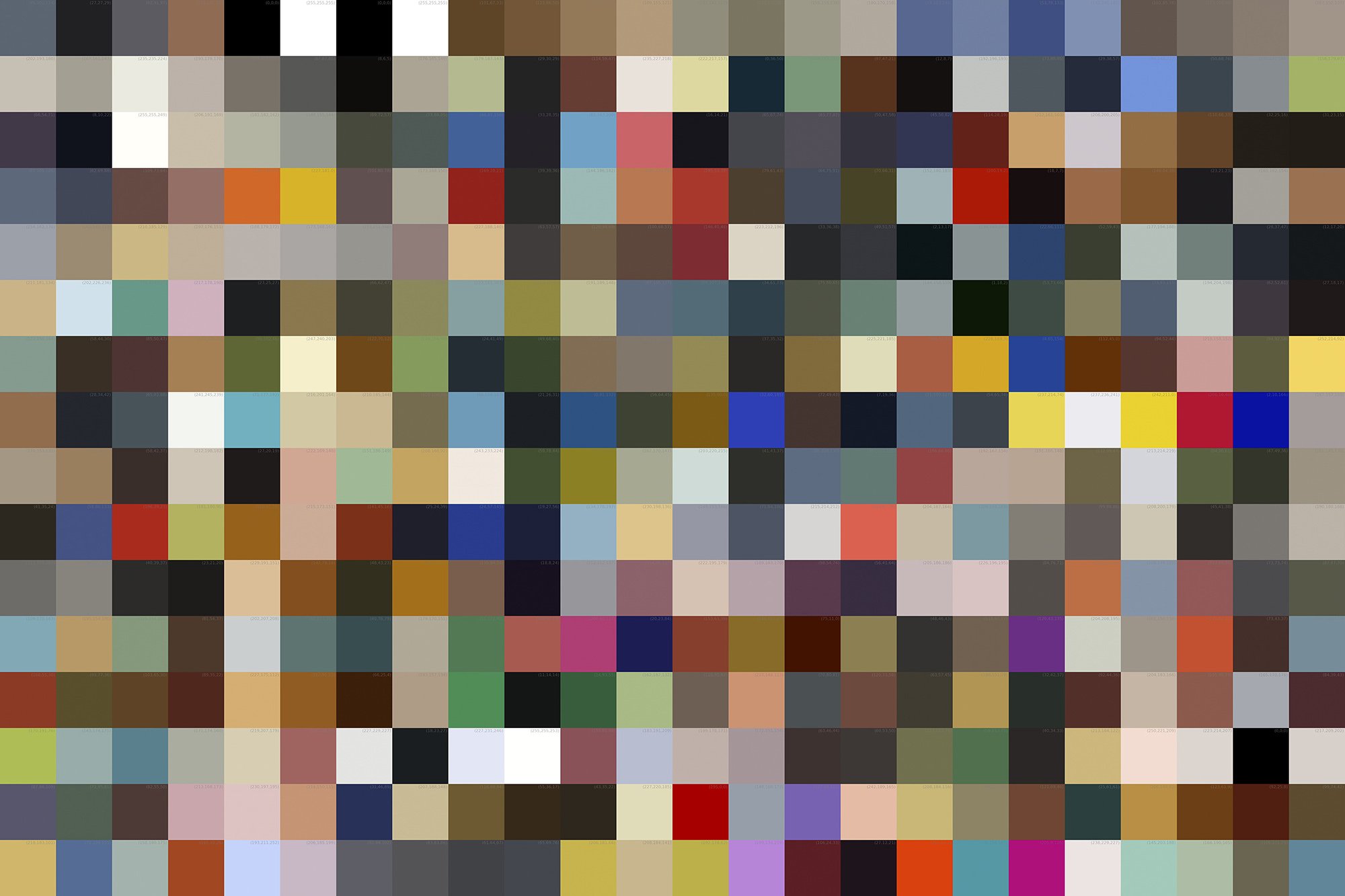
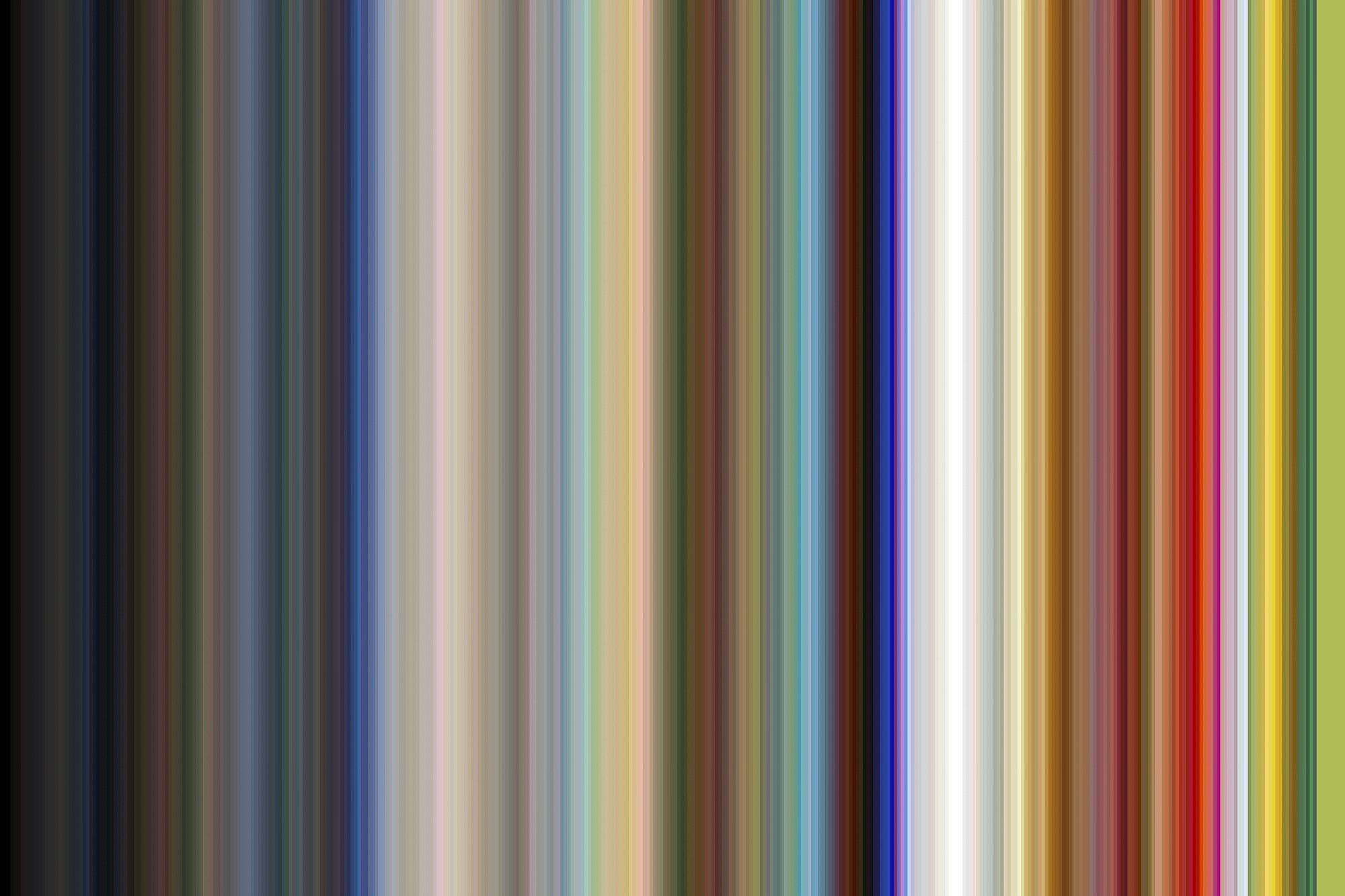
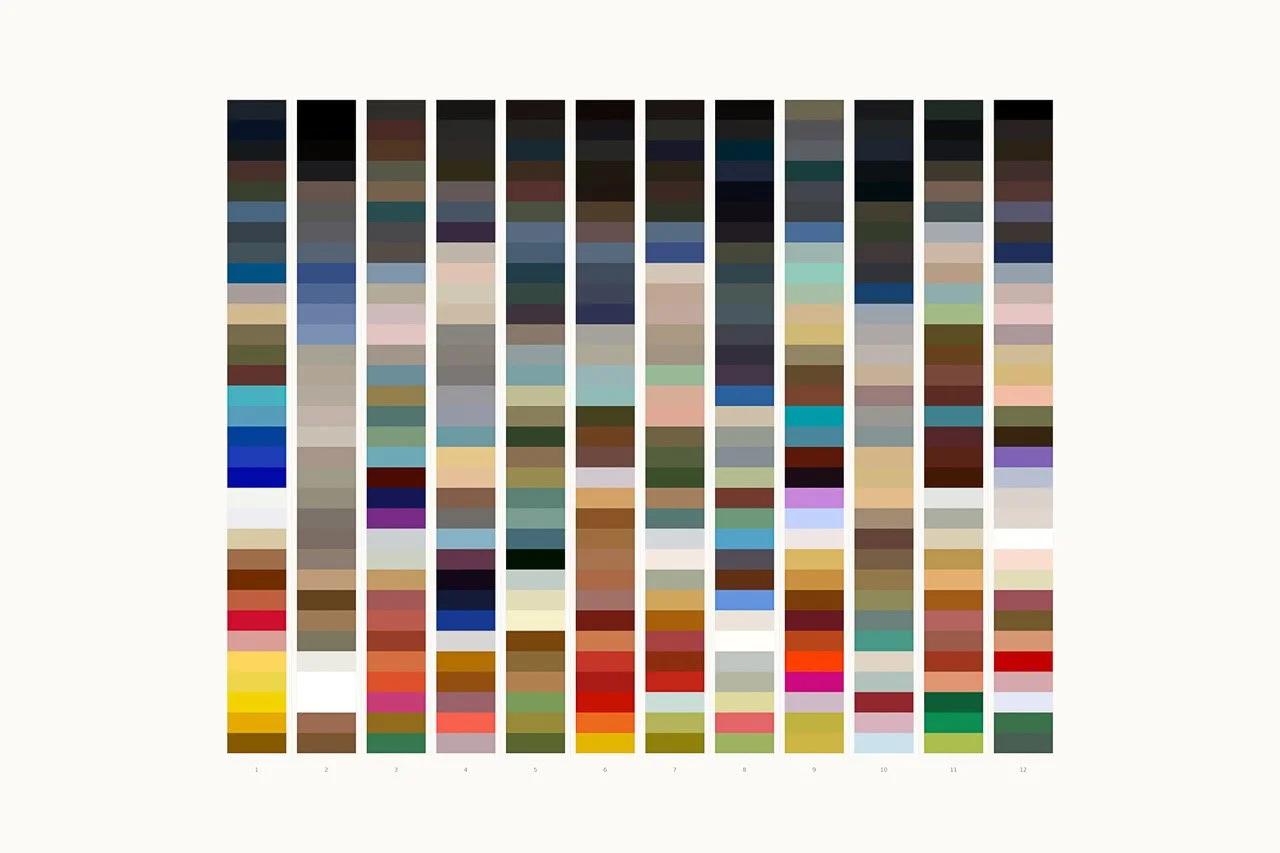
Loneliness is a quiet force, deeply felt yet rarely named with precision. This project traces how artists across twelve global regions have rendered solitude and melancholy through color. From the indigos of Western sorrow to the bleached whites of Arctic isolation, 384 hues drawn from artworks are reassembled into a diptych of grid and spectrum.
The work began with an archival impulse, an attempt to study loneliness almost scientifically, by extracting and cataloguing pigments across cultures. Color can be measured as data, yet its emotional weight resists reduction. Subjectivity enters through choice, context, and interpretation. Color is not a universal language; it is shaped by geography, history, belief, and weather. What appears as desolation in one place may suggest reflection or resilience in another.
By curating these palettes, the project seeks to reveal not only how we suffer, but how we symbolize that suffering, how communities translate the unspeakable into pigment and hue. This body of work is part emotional archive, part visual anthropology. The diptych asks what it means to grieve in ochre, to ache in rust, or to fade into gray, and how solitude gains meaning when reflected in another.